Nearby
Surrounded by pristine nature and dramatic mountain landscapes,
the Čemerno area offers a unique blend of untouched wilderness and breathtaking scenery,
crystal-clear rivers, forests and mountain passes that reveal the raw beauty of Herzegovina.
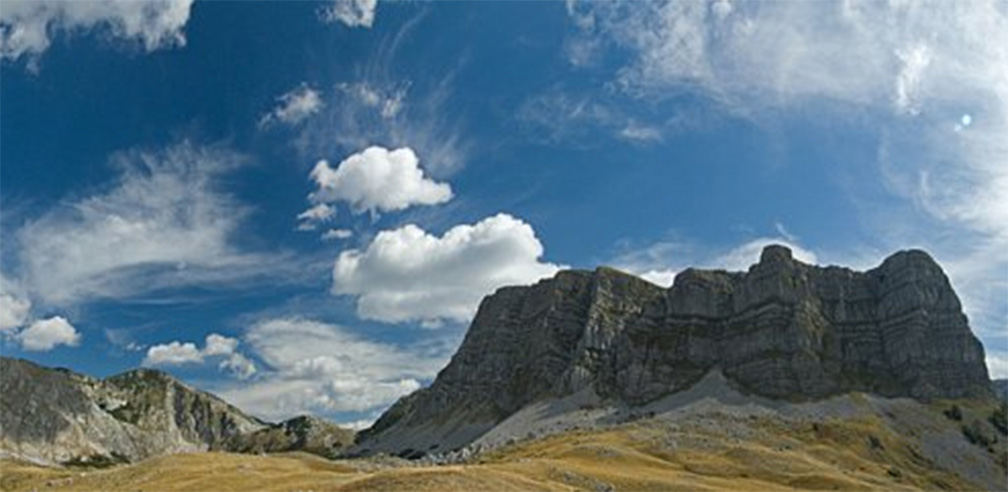
Čemerno Region Overview
The nearest town is Gacko (approximately 18 km away). In this small town, you can find everything you may need: shops, petrol stations, restaurants, cafés, a health centre, car repair services, and other essential amenities.
The nearest major cities are: Trebinje (Bosnia and Herzegovina), Mostar (Bosnia and Herzegovina), Sarajevo (Bosnia and Herzegovina), Dubrovnik (Croatia), and Podgorica (Montenegro).
What may be particularly interesting is the proximity of the Adriatic coast. The nearest coastal towns are Dubrovnik (Croatia) – approximately 120 km away, Herceg Novi (Montenegro) – approximately 135 km away, and Neum (Bosnia and Herzegovina) – approximately 140 km away.
Čemerno is an ideal starting point for exploring the wider region of eastern Herzegovina and southwestern Bosnia. Its immediate and surrounding areas are rich in natural treasures and breathtaking landscapes.
Sutjeska National Park & Tjentište
Sutjeska National Park is the oldest national park in Bosnia and Herzegovina and one of the most remarkable protected natural areas in the region. It is a true wilderness of dramatic mountain landscapes, dense ancient forests, deep valleys, and crystal-clear rivers, offering visitors an authentic experience of untouched nature.
Within the park lies the legendary Perućica primeval forest, one of the last remaining rainforest-like areas in Europe, as well as the breathtaking Skakavac Waterfall, one of the highest in the country. The park is also home to the imposing Maglić Mountain, the highest peak in Bosnia and Herzegovina, and the stunning Trnovačko Lake, famous for its unique heart shape and turquoise waters.
In addition to its natural beauty, Sutjeska National Park holds deep historical significance, as it was the site of the famous Battle of Sutjeska during World War II, commemorated by the striking Tjentište Memorial Complex. With its combination of pristine nature, iconic landmarks, hiking trails, and historical monuments, the park offers plenty to see and explore, making it one of the most impressive destinations for nature lovers and adventurers in the Balkans.
Tjentište is a place of great historical importance, best known for the monumental remembrance of the Battle of Sutjeska during World War II. Located in the heart of the Sutjeska valley, it is surrounded by dramatic mountain scenery and untouched nature within Sutjeska National Park.
The site is home to the impressive memorial complex dedicated to one of the most significant battles of the Yugoslav resistance movement. Its striking architecture and symbolic design stand as a powerful tribute to the sacrifice and resilience of those who fought in the Sutjeska offensive.
Today, Tjentište is both a historical landmark and a vibrant cultural destination. Once a year, in July, it becomes the venue of the well-known OK Fest, a popular music festival that brings together visitors from the region and beyond, set against the unique backdrop of mountains, nature, and history.
Rivers of the Čemerno Region
Dobra Voda spring is one of the most renowned natural water sources in the Čemerno area, often praised for its exceptional purity and quality. The spring emerges from the mountain depths, offering crystal-clear drinking water that has long been valued by locals and visitors alike. Today, it is also recognized as a small recreational stop and visiting point for those exploring this part of Herzegovina’s mountains.
The source of the Vrba River is located in the wider Čemerno region, on the slopes of the surrounding mountain landscape. Fed by natural mountain springs and underground waters, it forms a clean and steady flow that feeds Vrba Reservoir. The purity and freshness of this water source make it an important part of the local natural ecosystem, giving life to the lake and surrounding valley.
Sources of the Neretva River: Neretva is one of the most important rivers in the region, known for its striking landscapes and exceptional natural purity. Its upper sources are found across the wider Čemerno area, on the remote slopes of the Zelengora mountain range, where mountain springs and streams begin to gather strength in untouched wilderness. From these highland origins, the river carves its way through deep valleys, canyons, and dramatic mountain terrain, shaping one of the most impressive river landscapes in the Balkans. It continues its journey southward through Herzegovina before eventually flowing into the Adriatic Sea near the city of Ploče in Croatia.
The source area of the Sutjeska River is located at the tri-border region of Bosnia, Montenegro, and Herzegovina, within the mountainous system of the high mountain massifs Volujak (2,336 m) and Vilište (2,133 m), on the southwestern slopes of Mount Vlasulja (1,922 m) and the western foothills of Kuko (1,821 m) in the Brda region. The upper course of the Sutjeska River is formed by several permanent but smaller streams that emerge on the southeastern side of the Čemerno basin. These streams merge near the village of Žugovina, where they form the Sutjeska River. The total length of the Sutjeska River is 37 km. It flows into the Drina River.
Lakes of Čemerno Region
Jagodino jezero is a peaceful mountain lake located in the wider Čemerno region, in the foothills of the Lebršnik mountain. This hidden natural gem lies in a quiet alpine setting, surrounded by open meadows, gentle slopes, and untouched wilderness. Often described as a “mirror of the mountains,” the lake reflects the surrounding landscape in its calm, crystal-clear waters, creating a truly relaxing and almost surreal atmosphere. Its peaceful environment makes it an ideal spot for picnics, photography, and quiet moments in nature, far away from crowds and noise. With its simplicity, purity, and stunning natural surroundings, Jagodino Lake represents one of those lesser-known but unforgettable places in this part of Herzegovina, perfect for visitors seeking authentic mountain beauty and tranquility.
Vrba Reservoir (aka Desivoje Lake) is a peaceful artificial lake located in the wider Čemerno region, surrounded by quiet mountain landscapes and untouched nature. Created as a reservoir, it has gradually become a calm and attractive spot that blends naturally into its surroundings. With its clear waters and scenic setting, Vrba Reservoir offers a relaxing atmosphere for visitors looking to enjoy nature, take a walk, or simply unwind in a quiet environment away from crowds. It is also known for being rich in fish, making it an appealing destination for fishing enthusiasts. The surrounding area adds to its charm, making it a pleasant stop for those exploring the mountains and valleys of this part of Herzegovina.
Klinje Lake is a calm artificial lake located in the wider Čemerno region, surrounded by gentle hills and quiet natural landscapes. It was created as a reservoir and today represents a peaceful blend of water and nature, offering a relaxing atmosphere for visitors. The lake is especially notable for the historic Klinje Dam, the oldest arch dam in the Balkans, which stands as an important example of early engineering heritage in the region. Its elegant structure adds a unique historical character to the site. Klinje Lake is also known for its clear waters and rich fish population, making it a popular spot for fishing, nature walks, and quiet outdoor recreation in a serene mountain environment.
Zelengora is famous for its high plateaus and glacial lakes known as the “emerald eyes of Zelengora.” These lakes are scattered across the mountain at elevations ranging from approximately 1,450 to 1,700 m above sea level, hidden between forests, rocky ridges, and alpine meadows. The most well-known among them are: Donje Bare, Gornje Bare, Orlovačko Lake, Kotlaničko Lake, Štirinsko Lake, and Crno Lake. Each of these glacial lakes is unique, but all share crystal-clear water and stunning emerald-green or deep blue colors that change with the light and seasons, creating a truly magical atmosphere. Zelengora’s lakes are a paradise for hikers, photographers, and nature lovers, offering peace, silence, and some of the most spectacular mountain scenery in the region.
Trnovačko jezero is one of the most spectacular mountain lakes in the region, located in the wider Čemerno area at the foot of the majestic Maglić mountain. Set at an altitude of around 1,500 m, this glacial lake is famous for its unique heart-like shape and striking turquoise-green color. Surrounded by steep peaks and untouched alpine scenery, the lake offers a breathtaking sense of peace and isolation. Its crystal-clear waters reflect the dramatic landscape of the Durmitor and Maglić mountain ranges, creating one of the most iconic views in the Balkans. Trnovačko Lake is a true paradise for hikers, nature lovers, and photographers, offering an unforgettable experience in one of the most pristine and picturesque corners of the region.
Mountains of Čemerno Region
Mountaineering Club Volujak Gacko mountain lodge is a mountain lodge located in Papin Do, in a strategic position between the Lebršnik and Volujak mountain ranges, and not far from Jagodino Lake and Kuk. Surrounded by untouched nature and high alpine scenery, it serves as an important resting point for hikers and mountaineers exploring this remote region. The lodge offers basic accommodation and shelter, making it a key base for routes across the Čemerno mountain system and nearby peaks.
Lebršnik (Goli vrh - ~2,198 m) is a rugged and peaceful mountain located in the Čemerno region, known for its wide pastures, rocky peaks, and untouched nature. It offers stunning panoramic views and a true sense of isolation, making it ideal for hiking and nature exploration.
Kuk (~1,821 m) rises above the Čemerno area as part of a wild and less-explored mountain landscape. Characterized by steep slopes and natural wilderness, it is a place where visitors can experience the raw, untouched beauty of Herzegovina’s highlands.
Volujak (Vlasulja - 2,336 m) is one of the most dramatic peaks in the Čemerno region, forming a natural border between Bosnia and Herzegovina and Montenegro. With its sharp ridges, deep valleys, and alpine scenery, it is a paradise for experienced hikers and mountaineers.
Zelengora (Bregoč - 2,014 m) is famous for its gentle high plateaus, dense forests, and glacial lakes known as the “emerald eyes of the mountains.” Located in the wider Čemerno region, it is one of the most picturesque and peaceful mountain areas in the Balkans.
Maglić (2,386 m) is the highest peak in Bosnia and Herzegovina and one of the most impressive mountains in the Čemerno region. Its dramatic cliffs and challenging trails attract mountaineers from all over the world, offering unforgettable views over the surrounding wilderness.
Sutjeska Canyon & Pine Forests
The Sutjeska River flows through one of the most impressive and dramatic landscapes in the region, carving a deep canyon within the wider area of Sutjeska National Park. Steep cliffs, dense forests, and untouched wilderness create a powerful natural setting that leaves a strong impression on every visitor.
The canyon is also home to rare and endemic species of pine, most notably the Bosnian pine (munika), a resilient tree that thrives on rocky, high-altitude slopes. These ancient forests of endemic pines give the landscape its unique character and represent one of the most valuable natural ecosystems in the Balkans.
With its combination of dramatic scenery, biodiversity, and pristine nature, the Sutjeska canyon offers an unforgettable experience for nature lovers, hikers, and photographers.